
Boosting Efficiency in Heavy Lifting: The Power of Helicopter Longlines

Overview
Helicopter longlines are essential tools for efficient heavy lifting in industries like construction, forestry, and logistics. They enhance control and safety by allowing loads to be suspended below the helicopter, improving visibility and maneuverability. Combined with helicopter cargo nets, they secure loads effectively, enabling quick setups and versatility across various applications. Longlines also reduce risks associated with lifting operations and are superior to shortlines in terms of safety and operational flexibility. Embracing these technologies is crucial for improving productivity in aerial lifting.
Contents
Heavy lifting is a challenging but essential aspect of various industries, including construction, forestry, and logistics. One of the pivotal tools that streamline this process is the helicopter longlines. These specialized lines, combined with equipment like helicopter cargo nets and boat lifting slings, have revolutionized aerial lifting operations. In this article, we will delve into how helicopter longlines enhance efficiency in heavy lifting and the broader implications for various industries.
What Are Helicopter Longlines?
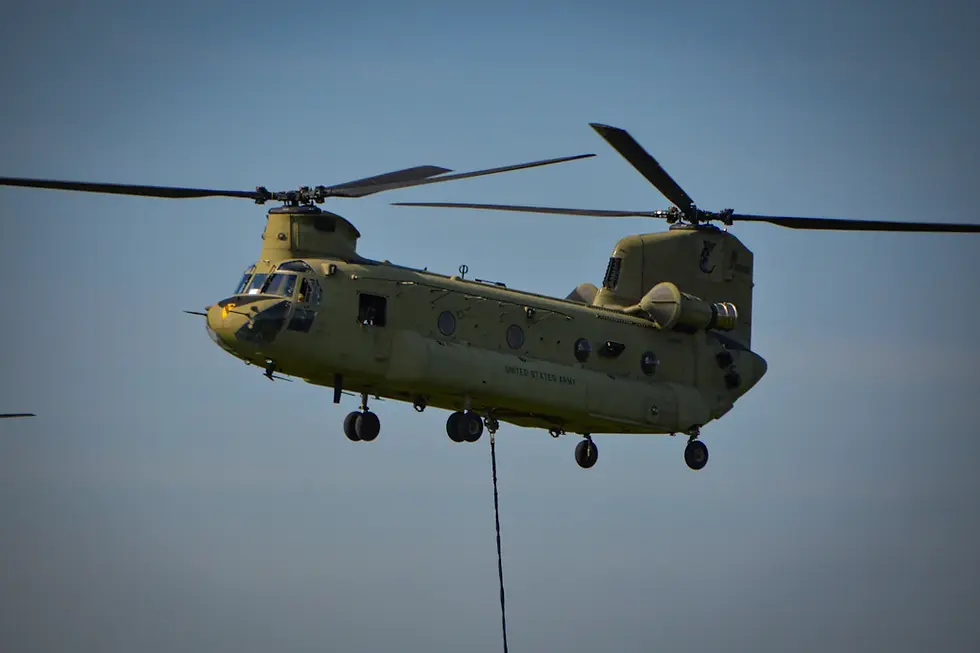
Helicopter longlines are flexible ropes or cables designed to extend the reach of a helicopter during loading and unloading operations. They allow for the safe transportation of heavy and sometimes oversized loads from a helicopter to a ground location or another vehicle. The use of longlines significantly reduces the need for ground support, making it a preferred choice for many operational scenarios.
Improved Control and Stability
One of the key advantages of helicopter longlines is the improved control they provide. When using longlines, the load remains suspended below the helicopter, meaning that the pilot has enhanced visibility and can maneuver more accurately. This is particularly significant in environments where visibility is limited, such as forests or urban settings. Having the ability to control the load directly contributes to efficiency and safety in heavy lifting operations.
The Role of Helicopter Cargo Nets in Load Management
To maximize the effectiveness of helicopter longlines, operators often employ helicopter cargo nets to secure the loads. These cargo nets are designed to cradle and protect the cargo during transport, preventing items from shifting or falling out during flight. By integrating helicopter cargo nets with longlines, operators can achieve the following:
Safe Transportation: Cargo nets provide a robust solution to securing various types of loads, enhancing safety during transit.
Quick Setup: Helicopter cargo nets can be rapidly deployed and secured, making the loading process more efficient.
Versatile Applications: From construction materials to sensitive equipment, these nets support a broad range of lifting needs.
For more on the importance of these nets, check out this insightful article on why helicopter cargo nets are essential for safe and efficient aerial lifting operations.
Flexibility of Helicopter Longlines
The flexibility inherent in helicopter longlines is one of their most valuable characteristics. This flexibility allows helicopters to navigate around obstacles and perform precise landings, which is crucial in tight or challenging spaces. Additionally, the versatility provided by longlines means that operators can handle a diverse range of load shapes and sizes, further enhancing operational efficiency.
Helicopter Interior Cargo Nets: An Underappreciated Asset
Alongside longlines and cargo nets, many operators utilize helicopter interior cargo nets to secure equipment and materials within the aircraft. These nets ensure that valuable cargo remains stable and safe during flight. Ensuring that equipment does not shift while airborne reduces the risk of damage and improves overall operational efficiency.
Advantages Over Shortlines
While helicopter shortlines offer quick hook-ups and rapid deployment, they do not provide the same range of motion or safety as longlines. Longlines offer greater distance from the helicopter, minimizing rotor wash and allowing for more delicate handling of loads. This is especially critical in environments where turbulence from rotor wash can lead to accidents or losses during transport. For a more in-depth understanding of the differences between the two, see our article on helicopter longlines vs helicopter shortlines.
Application in Various Industries
Helicopter longlines and their affiliated equipment effectively serve multiple industries. Understanding the diverse applications can help underline their importance:
Construction: Carrying steel beams, concrete, and other heavy machinery.
Forestry: Transporting logs and timber from remote areas.
Disaster Relief: Delivering supplies to inaccessible locations after natural disasters.
Mining: Moving heavy materials and equipment in remote mining operations.
Maritime Operations: Utilizing boat lifting slings to transport or relocate vessels, faciliating operational efficiency in harbors.
Safety Considerations
The safety aspect of aerial lifting cannot be overstated. Given the potential risks linked to heavy lifting, helicopter longlines assist in minimizing hazards associated with lifting operations. By allowing for a greater distance between the helicopter and the load, longlines help prevent accidents that could result in injuries or equipment damage. Additionally, it is essential to use only certified and durable products such as helicopter longlines with test certificates, which ensure the reliability of the line in demanding conditions. Check out options available at helicopter longlines with test certificates and helicopter longlines without electric cables.
Final Thoughts: Elevating Your Heavy Lifting Game
In conclusion, the integration of helicopter longlines into heavy lifting operations offers significant efficiency improvements across various industries. Their ability to enhance control, secure loads better, and adapt to different operational requirements makes them indispensable tools in the modern workplace. As industries continue to evolve, the importance of utilizing effective solutions like helicopter longlines, paired with helicopter cargo nets and boat lifting slings, cannot be overstated. Embracing these technologies will ensure that lifting operations not only meet safety standards but also achieve unprecedented levels of efficiency and productivity. So, are you ready to elevate your heavy lifting game with helicopter longlines?
FAQs
What are helicopter longlines and how do they work?
Helicopter longlines are flexible ropes or cables that extend the reach of a helicopter during loading and unloading operations, allowing for safe transportation of heavy loads with reduced need for ground support.
What advantages do helicopter longlines provide over shortlines?
Helicopter longlines offer greater distance from the helicopter, minimizing rotor wash and allowing for more delicate handling of loads, which enhances safety and operational efficiency.
How do helicopter cargo nets improve lifting operations?
Helicopter cargo nets secure loads during transport, preventing items from shifting or falling out, which enhances safety and allows for a quicker setup.
In which industries are helicopter longlines utilized?
Helicopter longlines are used in various industries including construction, forestry, disaster relief, mining, and maritime operations.
What safety considerations should be taken into account when using helicopter longlines?
It's essential to use certified and durable helicopter longlines with test certificates to minimize hazards and ensure reliability during heavy lifting operations.